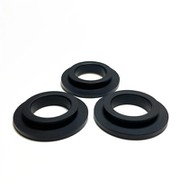
What is the cleanest cleaning method for silicone products?
Jun 25, 2025
What is the cleanest way to clean silicone products? In daily life, silicone products can be seen everywhere, from silicone shovels and molds in the kitchen, to silicone bottles and dental sealants for babies, and even silicone protective covers for electronic products. They are loved by many for their softness, durability, and environmental friendliness. However, after a period of use, silicone products are inevitably contaminated with stains, oil stains, or odors, and how to effectively clean them has become a problem for many people.
1. Daily mild stain cleaning
The cleaning method is very simple for mild stains such as dust and food residues that are contaminated during daily use.
Rinse with clean water: This is the most basic and commonly used method. Place the silicone product under flowing water, gently rub the surface with your hands, and use the force of the water flow to remove most of the stains. For example, to clean a silicone plate, simply rinse it under the faucet for a moment to remove most of the food debris.
Gentle cleaning agent assistance: If there is still a small amount of dirt residue after rinsing with water, it can be combined with a mild cleaning agent, such as baby specific detergent. Drop an appropriate amount of cleaning agent onto the surface of silicone products, gently wipe with a soft sponge or cloth, and then rinse with clean water. Be careful to choose non irritating and non corrosive cleaning agents to avoid damaging the silicone material.
2. Stubborn oil stains cleaning
When silicone products are contaminated with stubborn oil stains, such as oil splashes from stir frying or oil residue from fried food, ordinary cleaning methods may not be effective, and more effective methods need to be used.
Baking soda cleaning: Baking soda has a strong ability to remove dirt and has a good cleaning effect on oil stains on silicone products. Mix an appropriate amount of baking soda with water to form a paste, apply it to the oil stains on silicone products, let it stand for 15-20 minutes, and let the baking soda fully decompose the oil stains. Then gently brush with a soft bristled brush, and finally rinse with clean water. For example, cleaning a silicone spatula covered in oil stains with baking soda can clearly show that the oil stains have been removed.
Soaking in white vinegar: White vinegar is acidic and can dissolve fats and oils. Soak the silicone product in a diluted white vinegar solution (with a ratio of approximately 1:3 white vinegar to water) for about 30 minutes. After soaking, gently brush the surface with a brush and rinse thoroughly with clean water. If the oil stains are very stubborn, the soaking time can be appropriately extended. However, after cleaning with white vinegar, rinse several times with clean water to avoid residual vinegar odor.
3. Odor removal and cleaning
After using silicone products for a period of time, they may produce odors, especially those that come into contact with food. The methods for removing odors are as follows:
Lemon water soaking: Lemons have a fresh aroma and can effectively remove odors. Slice the lemon and boil it in water. After the water cools, soak the silicone product in lemon water for several hours. After soaking, take it out and rinse it with clean water to significantly improve the odor.
Tea soaking in water: Tea has the ability to absorb odors. Brew the tea leaves with boiling water, wait for the tea to cool down, and then soak the silicone products in the tea for a period of time. After soaking, rinse with clean water to remove odors and give silicone products a faint tea aroma.
4. Cleaning under special circumstances
Silicone toy cleaning: Baby's silicone toys are prone to contact with saliva, food residue, and bacteria. In addition to the above cleaning methods, silicone toys can also be regularly boiled and disinfected in boiling water for 5-10 minutes each time. However, it should be noted that not all silicone products can withstand high temperatures. Before boiling, it is necessary to confirm whether the product can withstand high temperatures.
Cleaning of silicone covers for electronic devices: For silicone protective covers for electronic devices such as mobile phones and tablets, avoid using overly irritating cleaning agents and high-temperature cleaning. You can use a clean damp cloth dipped in a small amount of alcohol to gently wipe the surface of the silicone sleeve, which can remove stains and also have a disinfectant effect. After wiping, use a dry cloth to wipe off any moisture to prevent it from entering the interior of the electronic device.
5. Cleaning precautions
Avoid using sharp objects: During the cleaning process, do not use sharp brushes, knives, or other objects to scratch the surface of silicone products, so as not to scratch the silicone and affect its service life and aesthetics.
Timely drying: The cleaned silicone products should be dried in a timely manner to avoid prolonged exposure to humid environments and prevent the growth of bacteria and mold. Silicone products can be left to air dry naturally in a well ventilated area, or surface moisture can be wiped dry with a clean towel.
Regular cleaning: In order to maintain the cleanliness and hygiene of silicone products, it is recommended to clean them regularly, especially for silicone products that come into contact with food. It is best to perform a simple cleaning after each use and a thorough cleaning once a week.
Mastering the correct cleaning method can keep silicone products clean and tidy at all times, extending their service life. I hope the cleaning techniques introduced above can help everyone easily solve the problem of cleaning silicone products, making life more convenient and comfortable.