
Preliminary understanding of the processing technology of silicone kitchenware
Aug 14, 2020
Silicone kitchenware is more and more recognized by people, and it is easy to operate and easy to clean. Although the shape and appearance are becoming more and more diversified, its use method and production process are basically the same. Of course, the range of silicone kitchenware is very wide, such as Silicone Spatula, Silicone Soup Spoon, Silicone Folding Bowl, Silicone Egg Beater, Silicone Tea Making Artifacts, etc., but also divided into integrated silicone kitchenware and rubber-coated kitchenware, today I will introduce the processing and production process of silicone kitchenware! Let’s explain its production process with a more difficult plastic-coated kitchenware!
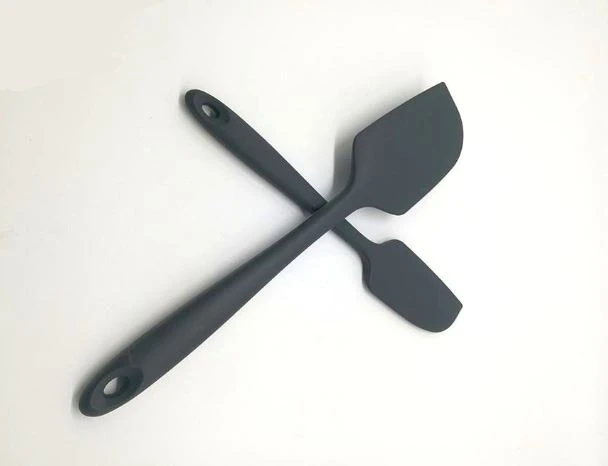
Processing and production process of silicone kitchenware
Step 1: a processing design drawing is needed, and the same is true for silicone kitchenware. Take the silicone spatula as an example. First design its drawing file, what kind of spatula to make, the surface of the spatula is wide and the handle is long, etc. These data.
Step 2: Design and manufacture the mold. The surface of the silicone-coated kitchen utensils is all silicone. There is a high-temperature-resistant plastic part inside the handle. This requires two molds, one is a plastic mold, which is The other kind of plastic parts inside the kitchenware is the silicone mold. What we see is the silicone coated on the plastic part. When designing this kind of silicone mold, more consideration should be given to the positioning method of the plastic part and the silicone being integrated!
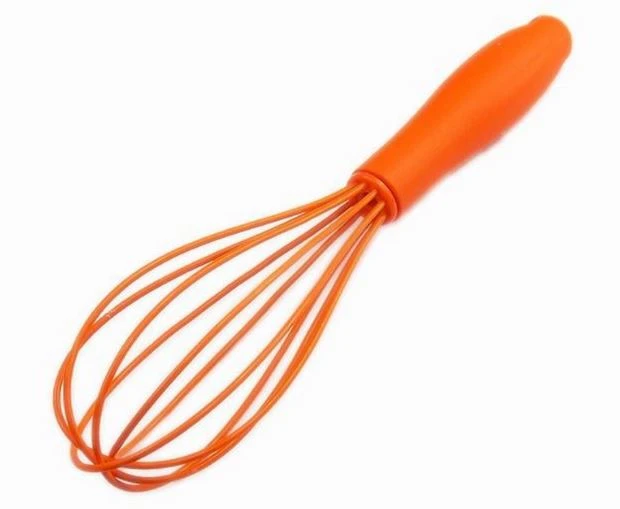
Step 3: After all the molds are manufactured, the plastic part in the handle of the spatula needs to be produced first, and it must be made of high-temperature resistant material. After the production is completed, take the silicone kitchenware custom manufacturer for high-temperature vulcanization. Put it into a high-temperature silicone mold and perform integrated vulcanization production.
Step 4: After the silicone kitchenware is vulcanized and matured, it can be taken out of the machine to check whether it is cooked and whether there is any edge burst. If a defect is found, the operator must seriously consider where the problem occurred, or the problem of the person debugging the machine. This is the first step in the quality inspection, and no problem should occur.
Step 5: After the product is produced, the burr must be processed. The size of the burr is also closely related to the accuracy of the mold. The parting line is too thick, which will affect the appearance. When the burr is processed, it must be trimmed by hand. The burr removal machine must be Can't get rid of the burrs of silicone kitchenware.
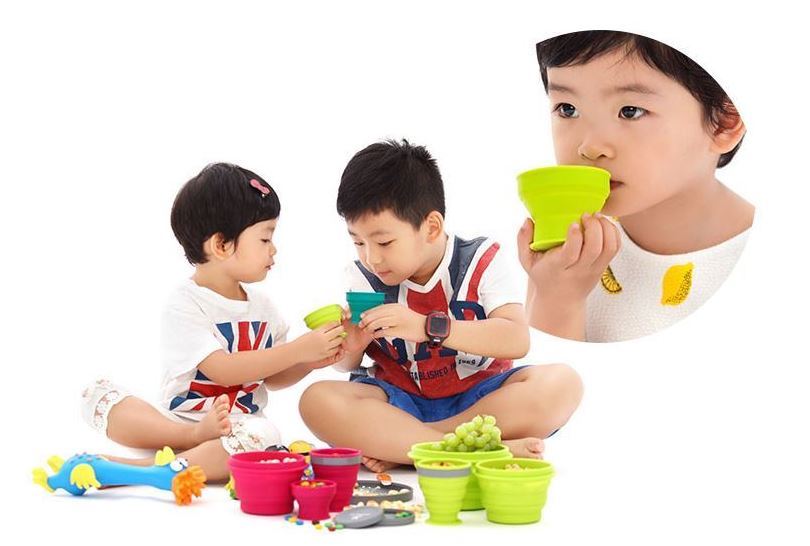
Step 6: After the burr is processed, hand it over to the quality staff for a comprehensive quality inspection, such as appearance defects, surface black spots and other quality problems.
Step 7: Hand feel treatment. Some silicone kitchen utensils have been treated with hand feel, such as smooth surface, matte and other surface treatments. If there is no hand feeling problem, then this seventh step can be ignored! And be especially careful when dealing with hand feeling problems. If one is broken, all the previous steps will be wasted.
Step 8: Packaging. In addition to the quality of a good product, it is also related to the packaging. If a very good product uses a very bad packaging, it will not be welcomed. Therefore, silicone kitchen utensils The packaging also requires careful production. Need a good packaging design!
Step 9: transportation, delivery
To make an exquisite silicone kitchenware, the above 9 links are all important and indispensable. Have you a preliminary understanding of the processing and production process of silicone kitchenware?


